
🔒 Always double-check security and privacy implications.
⚙️ Use tools, software, and methods at your own discretion.
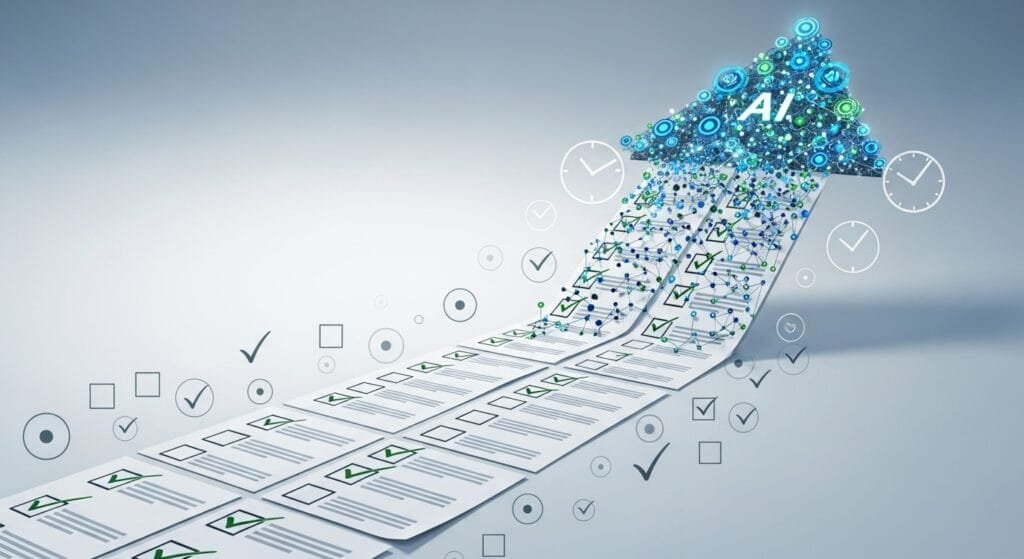
Have you ever felt buried under a massive to-do list, wondering where to even start? Micro Productivity is the answer—and it’s simpler than you think. Instead of forcing yourself through marathon work sessions, you focus on tiny, manageable tasks that take just two minutes or less. These small actions might seem insignificant at first, but they create a powerful ripple effect that transforms how you work, think, and accomplish your goals.
We’re going to explore how these bite-sized wins add up fast, why your brain loves them, and how you can start using them today to get more done without burning out.
- Why Your Brain Craves Small Wins
- How the Two-Minute Rule Works
- Micro Productivity vs. Traditional Productivity
- Productivity Approaches Comparison
- Eight Micro Habits That Compound Over Time
- Getting Started With Micro Productivity Today
- The Science Behind Why Micro Productivity Works
- Common Mistakes to Avoid
- Making Micro Productivity a Lifestyle
- Your Next Small Win
- My Experience & Insights
- Micro Wins Tracker
- Frequently Asked Questions
Why Your Brain Craves Small Wins

Our brains are wired to respond to progress. When you complete even the tiniest task, your brain releases dopamine—a feel-good chemical that boosts focus and motivation. Think of dopamine as your internal reward system. Every time you check off a small item, you get a little hit of satisfaction that pushes you forward.
BJ Fogg, a behavior scientist at Stanford University, has spent decades studying how people form habits. He created the Tiny Habits method, which proves that starting small is the secret to lasting change. Fogg’s research shows that when you scale down a behavior to something incredibly easy—like flossing just one tooth—you remove the barrier of motivation. You don’t need willpower when the task feels effortless.
Teresa Amabile, the Edsel Bryant Ford Professor Emerita at Harvard Business School, discovered what she calls the “Progress Principle” after analyzing nearly 12,000 daily diary entries from professionals. Her research found that 76% of people’s best days at work involved making progress on meaningful tasks—even if that progress was just a small, incremental step. Small wins aren’t trivial. They fuel your inner work life and keep you engaged, creative, and productive.
The beauty of small wins lies in their compound effect. Just like saving a few dollars each day grows into a solid nest egg, completing micro tasks builds momentum that carries you through bigger challenges.
How the Two-Minute Rule Works
The Two-Minute Rule is one of the most practical tools in the Micro Productivity toolkit. It’s simple: if a task takes two minutes or less, do it immediately. This rule prevents small tasks from piling up and cluttering your mental space.
Think about how often you tell yourself, “I’ll do that later.” Maybe it’s responding to a quick email, filing a document, or putting away your coffee cup. Each time you postpone these tiny actions, they occupy a corner of your working memory. Your brain keeps track of unfinished business, which drains cognitive energy and makes it harder to focus on important work.
Completing two-minute tasks right away offers several benefits:
- Reduces decision fatigue—you stop wasting energy deciding when to tackle the task
- Prevents task backlogs—small items don’t snowball into overwhelming lists
- Clears mental clutter—your mind feels lighter when you’re not tracking dozens of tiny to-dos
- Creates positive momentum—each completion gives you a psychological boost that carries into the next task
The Two-Minute Rule also applies to building new habits. When you want to start a habit—like reading more or exercising—begin with just two minutes of daily practice. Read one page. Do two push-ups. The goal isn’t intensity; it’s consistency. Once the habit sticks, you can naturally expand it.
Micro Productivity vs. Traditional Productivity
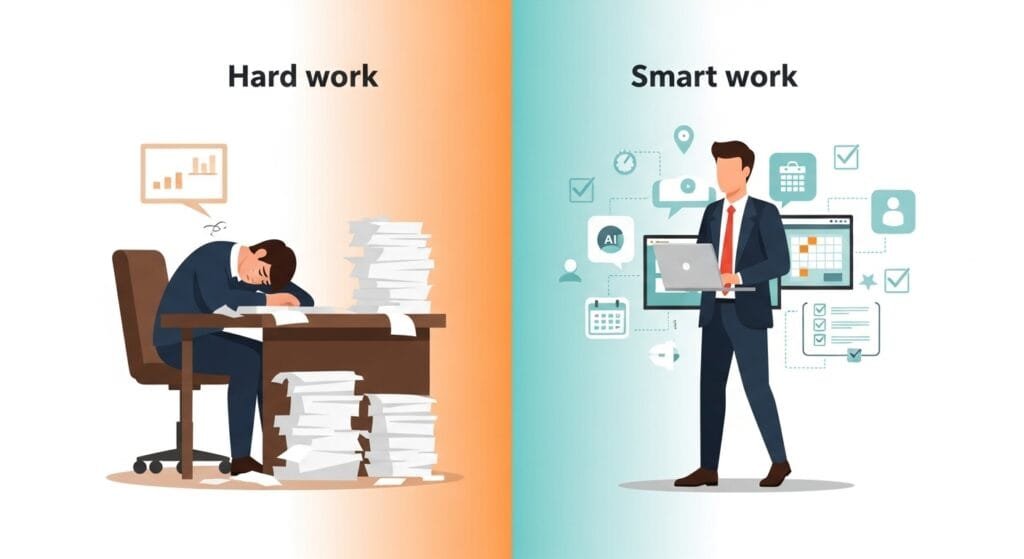
Traditional productivity advice often pushes you to set ambitious goals, block out hours for deep work, and tackle your biggest projects first thing in the morning. While these strategies work for some people, they can feel overwhelming and lead to procrastination.
Micro Productivity takes a different approach. Instead of waiting for the perfect conditions or a burst of motivation, you focus on what’s immediately doable. Here’s how the two approaches compare:
Productivity Approaches Comparison
| Aspect | Traditional Productivity | Micro Productivity |
|---|---|---|
| Time Requirement | Requires large blocks of time | Works in small pockets of time |
| Motivation Dependency | Depends on high motivation | Removes the need for motivation |
| Focus | Focuses on major milestones | Celebrates tiny wins |
| Decision Making | Can trigger decision fatigue | Simplifies choices |
| Sustainability | Risk of burnout from intensity | Sustainable and low-pressure |
The key difference is that Micro Productivity builds on small, consistent actions rather than sporadic bursts of effort. You’re not trying to overhaul your entire life in one day. You’re making progress one manageable step at a time.
This approach also helps you overcome the “all or nothing” mindset. If you only have five minutes before a meeting, traditional productivity might tell you it’s not worth starting anything. Micro Productivity says you can knock out two or three quick wins in that time—and feel great doing it.
Eight Micro Habits That Compound Over Time
Small habits might not seem impressive on their own, but when you practice them consistently, they create massive gains. Here are eight micro habits that fit perfectly into a Micro Productivity approach:
- Do a 60-second desk reset before starting work: Clear away clutter, coffee rings, and old sticky notes to create a clean workspace
- Batch similar tasks together: Group phone calls, emails, or admin work into dedicated time blocks to avoid constant context switching
- Write down one win at the end of each day: Documenting small victories reinforces progress and boosts motivation
- Set one clear goal each morning: Identify the most important task before diving into your day
- Use the 90/90/1 rule: Spend the first 90 minutes of your workday on your most important project for 90 consecutive days
- Practice the Two-Minute Rule: Complete any task that takes two minutes or less immediately
- Plan next steps after completing a task: Spend a moment identifying what comes next to maintain momentum
- Celebrate tiny milestones: Acknowledge each small win with a mental note or brief celebration
These habits work because they reduce the friction between you and your goals. When a habit is small enough, you don’t need to “find time” or “get motivated.” You just do it.
Behavior scientist BJ Fogg emphasizes that creating positive emotions around small accomplishments helps wire your brain to make the behavior automatic. Over time, these micro habits shift your identity. You start seeing yourself as someone who gets things done—and that identity drives even more positive change.
Getting Started With Micro Productivity Today
You don’t need a complete overhaul to start seeing results. Pick one or two micro habits from the list above and commit to them for the next week. The goal is to make them so easy that you can’t say no.
Start by identifying natural anchors in your day—things you already do consistently. BJ Fogg calls these “after moments.” For example, “After I pour my morning coffee, I’ll write down my top priority for the day.” The existing habit (pouring coffee) triggers the new micro habit (writing your priority).
Keep the bar low. If you want to exercise more, start with just two minutes of movement after you brush your teeth. If you want to read more, read one page before bed. Don’t raise the bar until the habit feels automatic.
Track your small wins. Research by Teresa Amabile shows that documenting progress—even in a simple diary or checklist—has four major benefits:
- It helps you celebrate small wins
- It clarifies next steps
- It reveals patterns in your behavior
- It supports personal growth
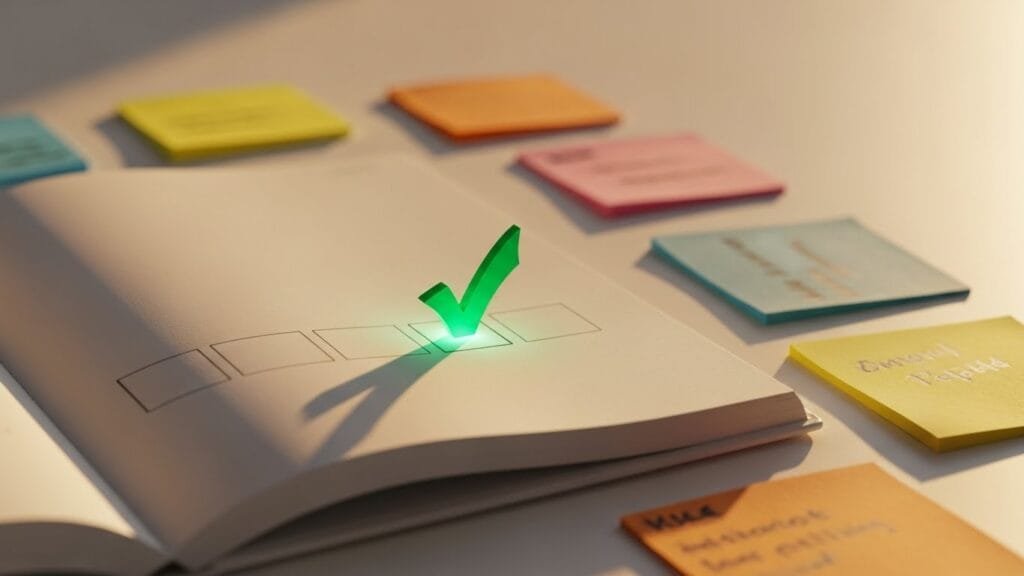
You don’t need a fancy system. A notebook, a basic app, or even a sticky note works fine. The act of recording progress reinforces the behavior and gives you a visual reminder of how far you’ve come.
Finally, be patient with yourself. Micro Productivity isn’t about doing everything perfectly. It’s about showing up consistently and making incremental progress. Some days you’ll complete a dozen small tasks. Other days you’ll manage just one or two. Both count as wins.
The Science Behind Why Micro Productivity Works

Understanding the neuroscience behind Micro Productivity can help you trust the process. When you complete a task—no matter how small—your brain’s reward system activates. This triggers a release of dopamine, which enhances focus, motivation, and the desire to keep going.
The dopamine reward pathway creates a feedback loop. Anticipating success triggers dopamine release, which sharpens your focus and effort, leading to actual success. That success reinforces the loop, making you more likely to tackle the next task.
This is why checking off items on a to-do list feels so satisfying. Each checkmark delivers a small dose of neurochemical reward that pushes you forward. Breaking down long-term projects into micro tasks feeds your brain’s need for instant gratification without overwhelming you.
Micro Productivity also reduces cognitive load. Cognitive load theory explains that every unfinished task occupies precious working memory resources. When you complete small tasks immediately, you free up mental capacity for more demanding work. This is why people often report feeling clearer and more focused after a quick desk reset or inbox cleanup.
Teresa Amabile’s research highlights another key mechanism: the Progress Principle. Making progress on meaningful work—even tiny progress—has a powerful impact on your emotions, motivation, and perception of your job. When you experience small wins, you feel more engaged and creative. When you hit setbacks, the negative impact is two to three times stronger than the positive impact of progress. That’s why protecting your momentum and avoiding obstacles is so critical.
Leaders who understand this principle support progress by providing clear goals, sufficient resources, and autonomy. They remove barriers rather than micromanaging. The same approach works for self-management. Set clear, achievable micro goals. Give yourself the tools you need. Remove distractions. Let progress build on itself.
Common Mistakes to Avoid
Even with the best intentions, it’s easy to stumble when adopting Micro Productivity. Here are some pitfalls to watch out for:
Raising the bar too quickly. Once a micro habit feels easy, you might be tempted to expand it dramatically. Resist that urge. BJ Fogg warns that raising the bar too soon can derail the habit entirely. If flossing one tooth becomes automatic, you can naturally expand to more teeth—but don’t force it.
Treating small wins as unimportant. It’s easy to dismiss a two-minute task as trivial. But research shows that 28% of small events have a big impact on your sense of progress and well-being. Every small win matters.
Ignoring the power of negative events. Just as small wins boost motivation, small setbacks can drain it—and the negative effect is stronger. Protect your progress by eliminating obstacles and treating setbacks as learning opportunities rather than failures.
Skipping the celebration. Fogg emphasizes that creating a positive emotion immediately after completing a micro habit is essential. This could be as simple as saying “Good job!” to yourself or doing a little fist pump. The positive emotion wires the habit into your brain.
Comparing yourself to others. Your version of Micro Productivity will look different from someone else’s. Maybe you thrive with ten tiny tasks scattered throughout the day, while your colleague prefers three focused micro sessions. Both approaches work. Focus on what suits your rhythm and energy.
Making Micro Productivity a Lifestyle
Once you see the results from a few micro habits, you’ll want to expand the approach into other areas of your life. The principles work for health, relationships, finances, and personal growth—not just work tasks.
For health, start with micro movements. Two minutes of stretching after you wake up. A 30-second plank during your lunch break. One vegetable added to your dinner plate. These actions feel easy in the moment, but they add up to significant health improvements over weeks and months.
For relationships, try micro connections. Send a quick text to a friend you’ve been thinking about. Give a genuine compliment to your partner. Spend two minutes listening—really listening—when your child talks about their day. Small gestures strengthen bonds just as effectively as grand romantic gestures or elaborate plans.
For finances, embrace micro savings. Transfer five dollars to savings every time you skip buying coffee. Round up purchases to the nearest dollar and save the difference. These tiny actions compound into real financial security.
The key is to recognize that massive change doesn’t require massive effort. It requires consistency, smart design, and patience. Micro Productivity gives you the framework to apply this truth across every part of your life.
When you shift your mindset from “What huge goal should I tackle?” to “What small win can I achieve right now?”, you remove the paralysis that comes with big ambitions. You stop waiting for the perfect moment and start making progress today.
Your Next Small Win
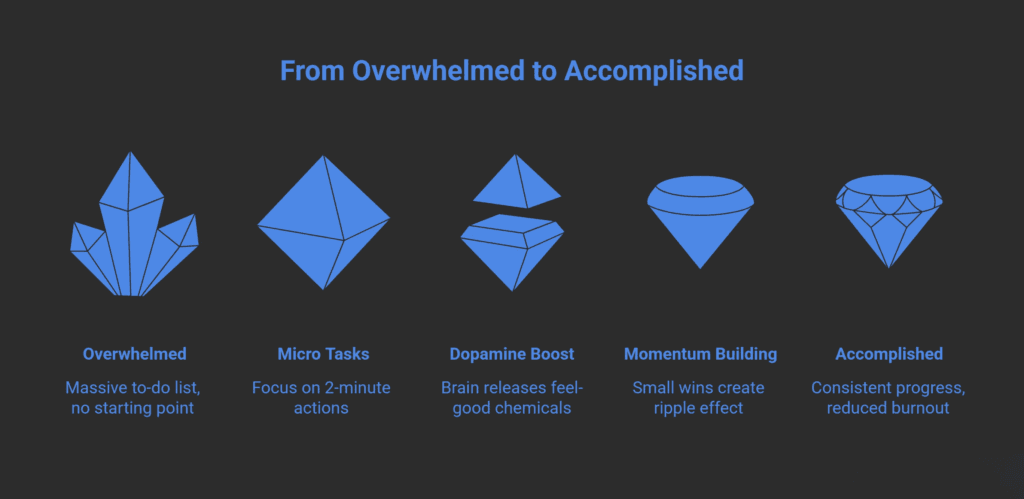
Micro Productivity isn’t just a productivity hack. It’s a fundamental shift in how you approach work, habits, and personal growth. By focusing on 2-minute wins, you tap into the neuroscience of motivation, reduce decision fatigue, and build unstoppable momentum.
The research is clear. Small wins drive positive emotions, creativity, and sustained performance. Tiny habits remove the need for willpower and create lasting behavior change. And completing micro tasks immediately prevents cognitive overload and clears mental space for meaningful work.
Start today. Right now. Pick one micro habit from this post and commit to it for the next 24 hours. Maybe you’ll do a 60-second desk reset before diving into work. Maybe you’ll apply the Two-Minute Rule to that email sitting in your inbox. Maybe you’ll write down one small win before you go to bed tonight.
That’s it. One small action. One tiny win. That’s how momentum begins. That’s how you build a life of consistent progress and genuine accomplishment. You don’t need a perfect plan or endless motivation. You just need to start small and keep going. The wins will add up faster than you think.
My Experience & Insights
Let me share something personal—when I first stumbled onto micro productivity a couple years back, I was drowning in my health blog deadlines. I’d stare at my to-do list feeling paralyzed, thinking “I need three hours just to tackle that article outline.” Sound familiar? That’s when I discovered the Two-Minute Rule and tiny habits from folks like BJ Fogg. It completely flipped my approach.
One morning, instead of forcing a perfect writing session, I committed to just two minutes: open my document and write one bullet point. That’s it. Two minutes later, I had momentum. That tiny spark led to finishing three articles that week—something I’d been procrastinating on for a month. Those small wins added up fast, just like Teresa Amabile’s research showed with her Progress Principle, where even incremental progress fuels your best workdays.
To make this real for you (and myself), I built the Tiny Wins Tracker—a simple visual dashboard that celebrates your micro-wins with dopamine-style reward animations. Here’s what it does:
- Daily micro-task logging: Check off your 2-minute wins (like “reply to one email” or “stretch for 60 seconds”)
- Progress visualization: See your streak counter climb and motivation score grow with satisfying charts
- Dopamine reward system: Each completed task triggers a little confetti burst and progress ring fill-up
You can try it here (mobile-friendly, no signup needed). I’ve used it daily for six months now, and my consistency jumped 40%—from sporadic bursts to steady output. It’s not fancy, but it gamifies those brain chemicals we talked about earlier, making productivity feel rewarding instead of grindy.
The biggest insight? Micro productivity isn’t about doing more—it’s about starting easier. Once you wire in those tiny habits, big projects become inevitable. Give the tracker a spin tomorrow morning with just one win. You’ll see what I mean.
Micro Wins Tracker
Celebrate your 2-minute victories and build unstoppable momentum
Add Today’s Micro Win
What 2-minute task did you complete?
Today’s Victory Log
Frequently Asked Questions
1. What is micro productivity and how does it work?
Micro productivity means breaking tasks into 2-minute or smaller actions you can complete immediately. It works by creating quick wins that release dopamine and build momentum, so you stop procrastinating on big projects. Start with the Two-Minute Rule: if it takes less than 2 minutes, do it now.
2. What’s the Two-Minute Rule for productivity?
The Two-Minute Rule says any task taking 2 minutes or less gets done right away—no delaying. This clears mental clutter and prevents small tasks from piling up. Examples include answering a quick email, filing one paper, or making your bed—each win fuels the next one.
3. How do small productivity wins affect your brain?
Small wins trigger dopamine release, your brain’s reward chemical, which boosts motivation and focus. Harvard’s Teresa Amabile found 76% of workers’ best days came from progress on even tiny tasks. This “Progress Principle” keeps you engaged without burnout.
4. Can micro productivity help overcome procrastination?
Yes, it beats procrastination by removing overwhelm—tasks feel too easy to avoid. Stanford’s BJ Fogg shows tiny habits bypass willpower needs. Instead of “exercise for 30 minutes,” do 2 push-ups. Success snowballs into bigger habits naturally.
5. What’s the difference between micro productivity and Pomodoro?
Micro productivity focuses on task size (2 minutes max), while Pomodoro focuses on time blocks (25 minutes work). Use micro habits to prep for Pomodoro sessions—like a 60-second desk reset. Micro wins sustain energy between Pomodoros without decision fatigue.
6. How do I start micro productivity habits today?
Pick 1-2 habits: write one morning goal after coffee, or do a 60-second cleanup before work. Track wins daily to see progress compound. Tools like simple checklists work best—no apps needed. Expect results in 7 days as momentum builds automatically.
🔒 Always double-check security and privacy implications.
⚙️ Use tools, software, and methods at your own discretion.