
🔒 Always double-check security and privacy implications.
⚙️ Use tools, software, and methods at your own discretion.
Ever feel like your phone is a part of your hand? You’re not alone. In 2026, we’ve reached a point where we’re finally fighting back against the “always-on” culture. We are seeing a massive shift toward Mindful Tech, a way of using our devices that puts our mental health first. It’s not about throwing your laptop in the trash. It’s about making sure your tools serve you, rather than you serving them.
I remember just a few years ago, I’d wake up and check my emails before even saying “good morning” to my dog. My brain felt like a browser with fifty tabs open—all of them frozen. But today, the world is moving toward “human-centric” design. We are learning how to balance our digital lives with our real ones.
Mindful Tech
So, what exactly does this look like in our daily lives? At its core, this movement is about intentionality. It’s the difference between mindfully choosing to watch a movie and mindlessly scrolling through short videos for three hours.
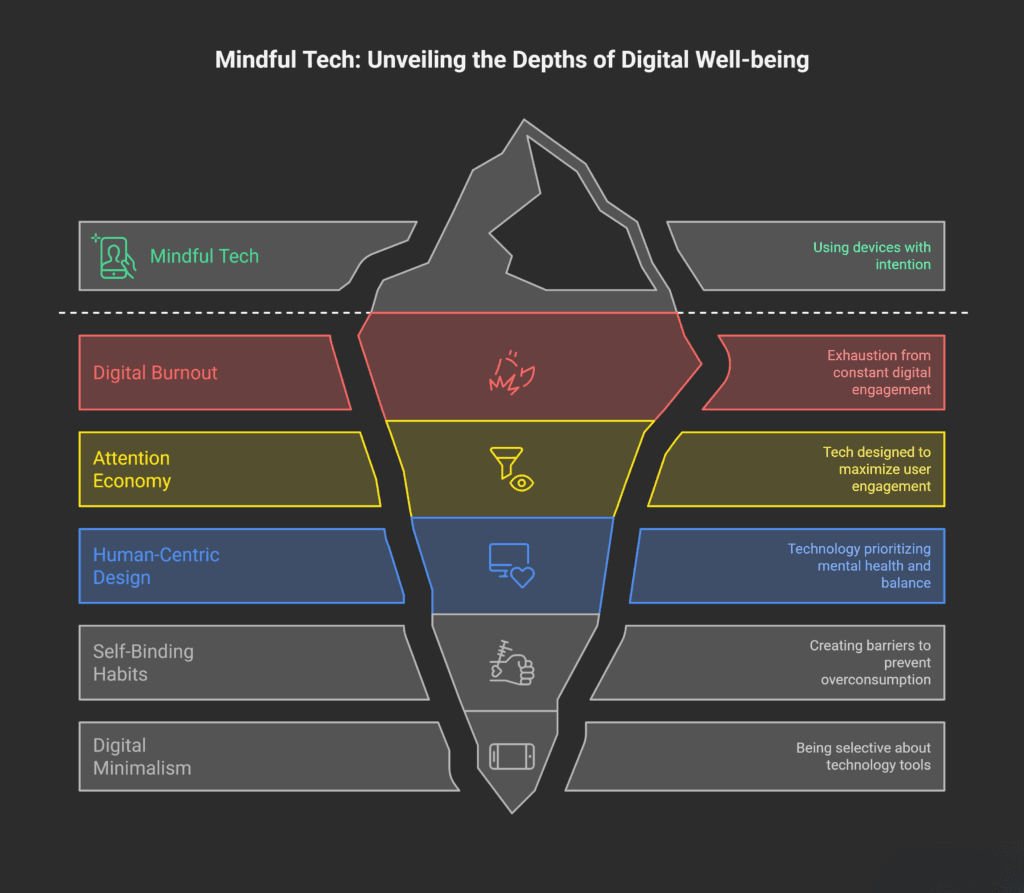
Experts like Tristan Harris, co-founder of the Center for Humane Technology, have been warning us about the “attention economy” for years. He argues that tech should be designed to help us live better, not just keep us clicking. In 2026, we are seeing more apps that actually tell us to stop using them. Imagine that!
Why the Shift is Happening Now
We’ve hit a wall with digital burnout. According to recent market research, the mindfulness meditation apps market has exploded because people are desperate for calm. We aren’t just looking for “productivity hacks” anymore; we’re looking for peace.
Dr. Anna Lembke, a professor at Stanford University and author of Dopamine Nation, explains that our brains weren’t built for the “fire hose” of rewards we get from modern screens. She suggests that we need to create “self-binding” habits. This means setting up physical and digital barriers so we don’t overdo it.
Traditional Tech vs. Mindful Tech
To help you see the difference, I’ve put together a simple table. It shows how the old way of using gadgets compares to the new, more balanced approach we’re seeing this year.
Tech Contrast: 2026 Mindful Shift
| Feature | Traditional Tech (the old way) | Mindful Tech (the 2026 way) |
|---|---|---|
| Notifications | Constant pings and red dots. | Scheduled “summary” alerts only. |
| Screen Type | High-glare, blue light heavy. | E-ink or “paper-like” displays. |
| Goal | Maximum time spent on the app. | Quality of interaction and task completion. |
| Feedback | Likes, views, and infinite scrolls. | Focus timers and “breath” reminders. |
| Work/Life | Emails at 9 PM are normal. | Digital “sunset” modes that block work. |
Explore a mindful scenario
- 📵 Overloaded notifications
- 🖥️ Eye strain from screen
- ❤️🔥 Chasing likes / infinite scroll
- ⚖️ Work emails after dinner
Select an option to see the 2026 mindful alternative.
How to Bring This Into Your Home
You don’t need to be a tech genius to start. In fact, some of the best ways to practice are very simple. Cal Newport, a computer science professor at Georgetown University, is a huge fan of “Digital Minimalism.” He suggests we should be very picky about which tools we let into our lives.
Here are a few things I’ve tried that actually work:
- The 20-20-20 Rule: Every 20 minutes, look at something 20 feet away for 20 seconds. It saves your eyes from “tech neck” and strain.
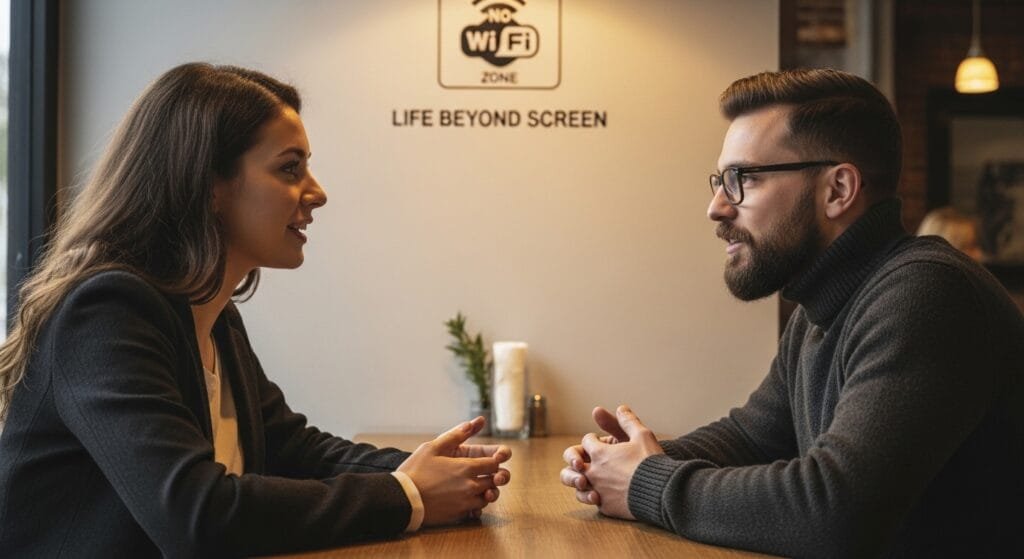
- Tech-Free Zones: We’ve made the dining table a “phone-free” island. It’s amazing how much better the food tastes when you’re actually talking to the person across from you.
- Grey-Scale Mode: Turning your phone screen to black and white makes it way less addictive. Suddenly, those colorful icons don’t look like candy anymore.
The Big Picture for 2026
This isn’t just a trend for people who like yoga. It’s hitting the workplace, too. Companies are starting to realize that a burnt-out employee isn’t a good one. Many offices now use digital wellness best practices to encourage “deep work” without interruptions.
We’re moving toward a future where “human-oriented skills” like empathy and creativity are more important than how fast you can answer a Slack message. As we navigate this year, let’s remember that technology is a tool. It’s a hammer, not the house. We get to decide how we build our lives with it.
It feels like we’re finally taking the steering wheel back. It’s a bit like waking up from a long, noisy dream and realizing the birds are actually singing outside.
My Experience & Insights
Over the last few months, I’ve spent a lot of time digging into why our brains feel so “fried” by 8:00 PM. While researching the physiological effects of late-night scrolling, I came across several studies from the National Sleep Foundation showing that the blue light from our screens doesn’t just hurt our eyes—it actively suppresses melatonin, the hormone that tells our bodies it’s time to sleep. It’s like telling your brain the sun is still up right as you’re trying to close your eyes.
To make this easier for you to manage, I actually developed a simple web tool called the Digital Sunset Calculator. I noticed that most of us want to unplug, but we don’t know exactly when to start the process to actually feel rested the next morning. You can plug in your wake-up time and when you usually finish work, and the tool will give you a recommended “phone-off” time along with a sample evening routine to help your nervous system settle down.
This isn’t my first time building things to help with digital focus. Earlier this year, I also created the Focus Health Score—an 8-question quiz that identifies how your digital habits are impacting your mental clarity—and the Focus Zone Finder, which helps you match your specific distraction patterns with the right AI productivity tools.
Through building these, I’ve learned that the goal isn’t to be perfect. Even Dr. Anna Lembke mentions that we need to create “physical distance” from our devices to reset our dopamine levels. I’ve found that my “sunset” routine—turning off the phone 90 minutes before bed—is the single most effective way to regain that focus. If you’re feeling skeptical, I’d suggest just trying the calculator for three nights. The difference in how you feel on day four is usually enough to make the habit stick.
🌇 Digital Sunset Calculator
Find your ideal time to unplug — based on sleep science and your evening routine.
- 7 hours
- 7.5 hours
- 8 hours (ideal)
- 8.5 hours
- 9 hours
- 15 minutes
- 30 minutes
- 45 minutes
- 1 hour
- 1.5 hours
💤 Sleep science note: This tool uses the standard sleep cycle recommendation of 7–9 hours for adults. Individual needs may vary. Always consult with a sleep specialist for persistent concerns.
frequently asked questions
What is Mindful Tech exactly, and why is it trending in 2026?
It is a lifestyle and design philosophy that focuses on intentional device usage rather than mindless consumption. In 2026, it’s trending because of “digital fatigue”—the collective burnout from years of constant notifications and AI-driven infinite scrolls. It’s moving from a “niche hobby” to a mainstream health priority, much like organic food did a decade ago.
How do I start practicing Mindful Tech without deleting all my apps?
You don’t have to quit the internet! Start with “Digital Minimalism” by auditing your apps. Keep only the ones that add value and silence all non-human notifications. Using features like “Grey-Scale Mode” or the Digital Sunset Calculator helps you set physical boundaries without losing the benefits of being connected.
Can technology actually improve my mental health?
Yes, but only when used with awareness. In 2026, we see a rise in “Calm Technology”—devices designed to live in the periphery of our attention. Bio-responsive apps and wearables that track heart rate variability (HRV) can now prompt you to take a breath before you even realize you’re stressed, turning your phone into a wellness coach rather than a distraction.
What are the best Mindful Tech tools for a home office?
Look for hardware that respects your focus. Popular choices in 2026 include E-ink monitors (which reduce eye strain), circadian smart lighting that shifts to warm tones in the evening, and physical “Deep Work” buttons that automatically trigger a “Do Not Disturb” mode across all your synced devices.
Is “Digital Detox” the same as Mindful Tech?
Not quite. A “Digital Detox” is usually a temporary break (like a weekend away from your phone). Mindful Tech is a long-term relationship. While a detox is a “reset,” mindful tech is the daily practice of making sure your tools serve your goals rather than an algorithm’s goal.
How do I protect my children from digital overload in 2026?
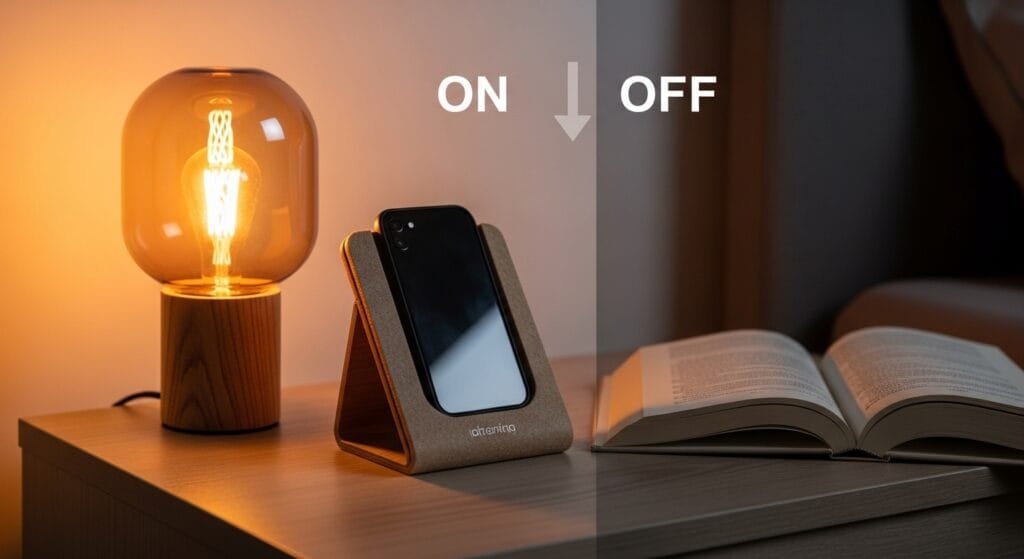
Focus on “Co-use” rather than just monitoring. Experts recommend establishing “Tech-Free Zones” (like the dining table) and using age-appropriate “Digital Wellness” dashboards. By modeling mindful habits yourself—like putting your phone in a “docking station” at night—you teach them that technology has a proper place and time.
🔒 Always double-check security and privacy implications.
⚙️ Use tools, software, and methods at your own discretion.